Small bathroom ideas: Space-Saving Design Tips
Small bathroom ideas to maximize space with smart storage, lighting, and fixtures.
Introduction
Small bathrooms pose a design challenge: limited floor area, moisture, and the need for efficient storage. The right combination of layout, fixtures, and finishes can make a tiny bathroom feel spacious, functional, and visually appealing. In this guide, written by design professionals and informed by best practices in space planning and durable materials, you’ll find practical small bathroom ideas to maximize every inch without sacrificing style. You’ll learn about layout, color and lighting, storage options, fixtures, finishes, and budgeting. The goal is to provide guidance you can trust, built on expertise, experience, and credible considerations. Always consider consulting licensed professionals for electrical and plumbing work to ensure safety and compliance.
Layout and Space Planning
Effective layout is the foundation of small bathroom ideas. Start by measuring accurately and sketching a simple floor plan to test traffic flow. Wall‑hung fixtures create visual space and make cleaning easier, while a compact vanity or pedestal sink frees floor area for movement. If door swing is problematic, consider a pocket door or a sliding panel to gain precious inches. In tight spaces, a curved or corner sink can open up midline space, and a walk‑in shower with a clear glass partition visually expands the room. By treating vertical space as an opportunity, you can stack storage and keep the floor uncluttered, which is essential for a breathable, EEAT‑compliant design.
Color, Light and Ambience
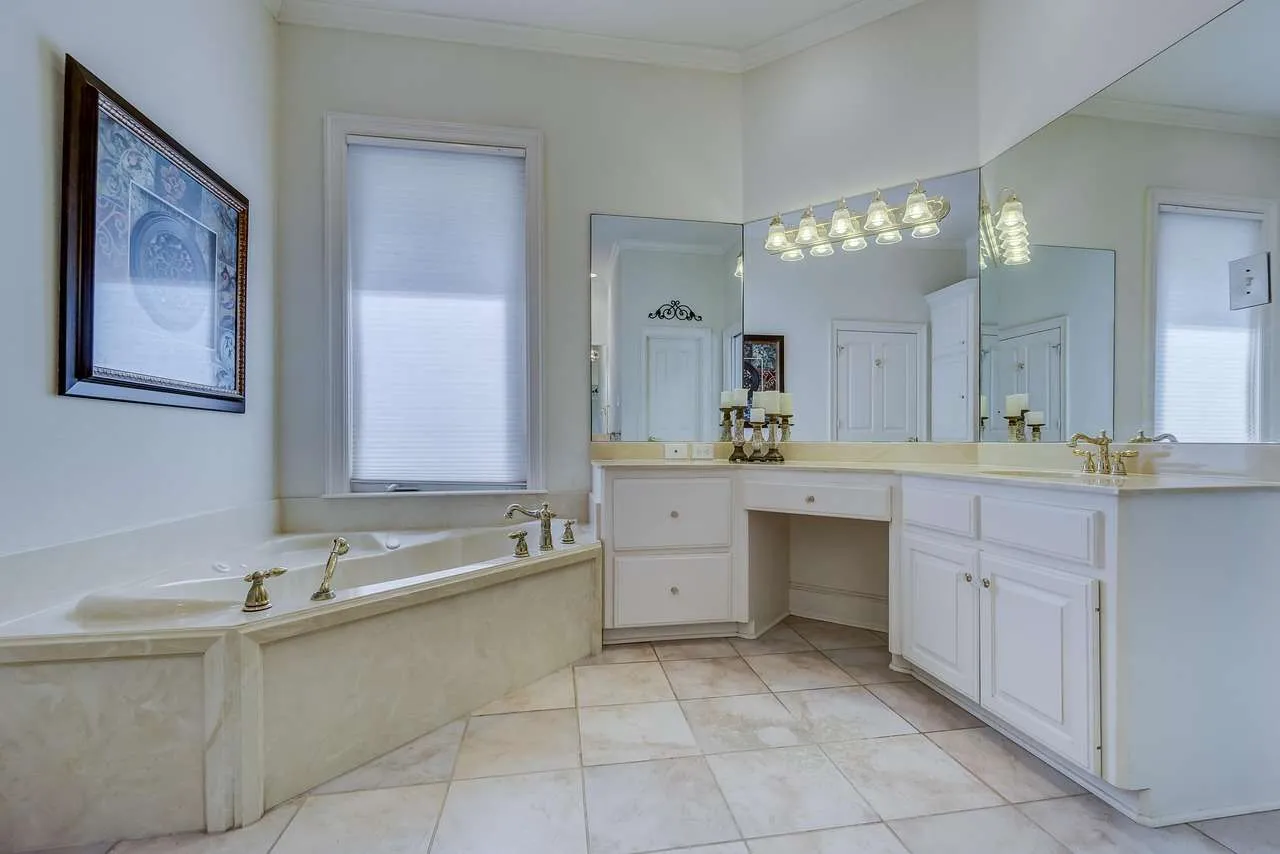
Light colors reflect more light and help small bathrooms feel larger. Opt for soft whites, pale grays, or warm beige palettes with subtle undertones that won’t show wear quickly. Reflective surfaces such as large, frameless mirrors and glossy tiles amplify light and space. A targeted lighting plan—recessed ceiling lights plus task lighting at the vanity—reduces shadows and creates a sense of depth. If possible, introduce natural light or a daylight‑balanced LED source to mimic daylight and boost comfort. In all cases, choose durable, moisture‑resistant finishes that support long‑term reliability and compliance with building codes.
Storage Solutions
Smart storage is the heart of small bathroom ideas. Seek built‑in niches in the shower, recessed shelving behind the door, and wall‑mounted cabinets that don’t touch the floor. A medicine cabinet with mirrored fronts can conceal daily essentials while maintaining a clean look. Over‑toilet units, tall slim cabinets, and pull‑out baskets maximize vertical space without crowding the room. When possible, integrate storage into the vanity itself with drawers and organizers that keep items accessible yet hidden. Proper storage reduces clutter, supports hygienic practices, and contributes to a calm, EEAT‑friendly atmosphere.
Fixtures and Fittings
Choose fixtures designed for compact spaces. Wall‑hung toilets and compact, sculpted sinks free up floor area and simplify cleaning. A corner shower or a rectangular shower with a frameless glass enclosure can visually expand the room by allowing more light to travel through. Consider a rainfall or multi‑function showerhead for a premium feel without adding bulk. If space allows, a shallow, wall‑mounted vanity provides essential storage while keeping lines clean and uncluttered. For accessibility and usability, ensure controls are reachable and lever handles are easy to operate, aligning with inclusive design practices.
Finishes, Materials and Accessories
Durable, water‑resistant materials are non‑negotiable in small bathrooms. Large format tiles reduce grout lines, making the space appear larger and easier to maintain. Non‑slip porcelain or ceramic flooring is essential for safety. Choose shower niches with waterproof backing, epoxy grout, and sealed edges to prevent moisture intrusion. Accessories such as towel bars, robe hooks, and grab bars should be thoughtfully placed to avoid disruptiveness to the flow of movement. A restrained hardware palette—polished chrome, matte black, or brushed nickel—can unify the space without visually weighing it down.
Budget, Planning and EEAT
Budgeting for small bathroom ideas should include a realistic reserve for plumbing, electrical, and waterproofing work. Informed decisions come from professionals who understand local codes and best practices. A phased approach—planning first, then selecting fixtures and finishes—helps manage costs and reduce disruption. Seek design‑build offerings or consult licensed contractors for accurate estimates. By prioritizing quality, durability, and efficient layouts, you achieve a long‑lasting result that reflects expertise, trust, and a commitment to safety and reliability.
Comparison of Small Bathroom Ideas
| Idea | Pros | Cons | Best For | Estimated Cost |
|---|---|---|---|---|
| Wall‑mounted vanity with under‑sink storage | Frees floor space, easy cleaning, modern look | Requires plumbing access, may limit storage depth | Very small to small bathrooms needing open feel | Medium |
| Frameless glass shower enclosure | Maximizes light, visually enlarges space | Higher installation cost, maintenance on seals | Open feel with shower focus | High |
| Recessed niches and built‑in shelves | Low profile storage, moisture resistant | Requires wall work and major carpentry | Tiny spaces needing discreet storage | Low‑Medium |
| Pocket door or sliding door | No swing space, improves flow | Higher install cost, limited wall storage options | Extremely tight layouts | Medium‑High |
| Bright palette with large mirrors | Perceived space expansion, simple to refresh | Color wear in high traffic areas may require maintenance | Renovations on a budget with quick impact | Low to Medium |
Conclusion or summary of the comparison: The best small bathroom ideas integrate a clean layout, ample but unobtrusive storage, and reflective surfaces to maximize light and space. Your choice should balance cost, durability, and the specific constraints of your room, guided by professional input to ensure safety and compliance with building codes.
Summary: By applying these small bathroom ideas, you maximize space with smart layout, efficient storage, and durable finishes. Start with a plan, choose wall‑hung fixtures and a frameless shower to open lines, and use reflective surfaces to amplify light. Always hire licensed professionals for plumbing and electrical work to uphold safety and code compliance. With careful budgeting and stepwise execution, a compact bathroom can feel roomy and comfortable while staying highly functional.